

It can be unsettling seeing your dog stare at their bowl and walk away without eating, especially when they usually love food. You might wonder if they're sick and if you missed the signs. There are a few common reasons dogs might refuse to eat, and many aren't as alarming as you might assume. Still, appetite changes in dogs always deserve a closer look. Here are six possible reasons they're not as excited about eating time, and what you should do next.

1. Recent Change in Dog Food
A sudden refusal to eat often starts with something simple, like a recent food transition.
This can happen if you switch to a new dog food brand or move toward a more natural diet. Even if the change feels like a premium upgrade, dogs can be very particular about their food.
They may hesitate to eat something that isn't familiar to them.
Try going back to the previous food for a short period. You could also gradually mix the old and new foods over several days.
This helps your dog ease back into eating without confusion.
2. Too Many Treats During The Day
Sometimes, the issue isn't the meals themselves, but what your dog eats in between.
If you're feeding them way too many of those yummy homemade dog treats you make, it can take away their appetite for regular food.
Reduce the number of treats you give them during the day. Reserve those for training instead, or if your dog is super tired after a long walk outside.
Offer meals at consistent times and avoid filling in the gaps with random treats.
This resets your dog's hunger cues so they actually get excited for full meals again.
3. Painful Dental Problems
Eating can become uncomfortable for dogs with gum pain or tooth sensitivity. Your dog might still act normally, but they'll avoid foods that are too hard.
Common symptoms include chewing on one side or dropping kibble.
If you suspect tooth pain, temporarily soften your dog's food.
Long-term care means staying on top of your dog's dental care with better brushing habits and regular vet checks so the discomfort doesn't happen again.
4. Medication Side Effects
Some medications can temporarily affect appetite. If your dog was prescribed a new medicine or is adjusting to a dosage change, it may lead to changes in digestion or taste sensitivity.
If this lines up with a new medication, monitor the timing and appetite changes closely. Your dog should feel better after a few mealtimes as they adjust.
In the meantime, offer smaller meals or slightly warmed food to improve smell and appeal. If their appetite is still low after several days, it's worth checking in with your vet.
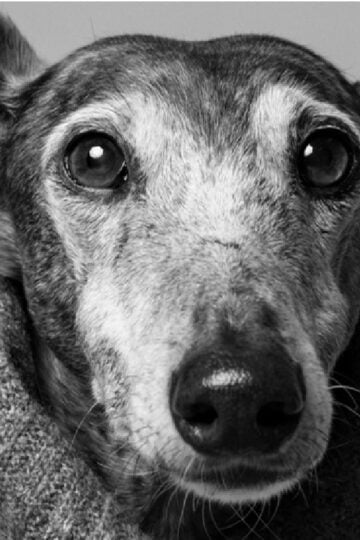
5. Age-Related Appetite Changes
As dogs get older, their relationships with food can slowly shift. Their energy levels drop, so their bodies don't need as much fuel as before.
Mealtime excitement can feel quieter, too, now that their senses aren't as sharp.
Try to make meals easier for older dogs. Incorporate softer textures and serve smaller portions.
Basically, match their changing comfort level to make sure they still get the nutrition they need.
6. Underlying Health Concerns That Need Evaluation
Sometimes, a loss of appetite is tied to something going on beneath the surface. It can be a mild infection or early internal issues that haven't yet shown other symptoms. Most of these are manageable when caught early, which is why your attention matters.
If your dog continues to refuse food for days, have them checked at a veterinary services clinic. Share when the change started and anything else you've noticed, such as shifts in behavior or energy. This can help the vet properly rule out issues and give your dog the treatment they need.
Endnote
Understanding the possible reason your dog suddenly doesn't want to eat can help you respond more calmly to the situation.
It gives you a clearer sense of what might be an easy fix or what needs closer attention, like a potential health condition that requires you to bring your pup to the vet.
Before long, mealtime will go back to happy tail wags and an empty bowl.



Leave a Reply