

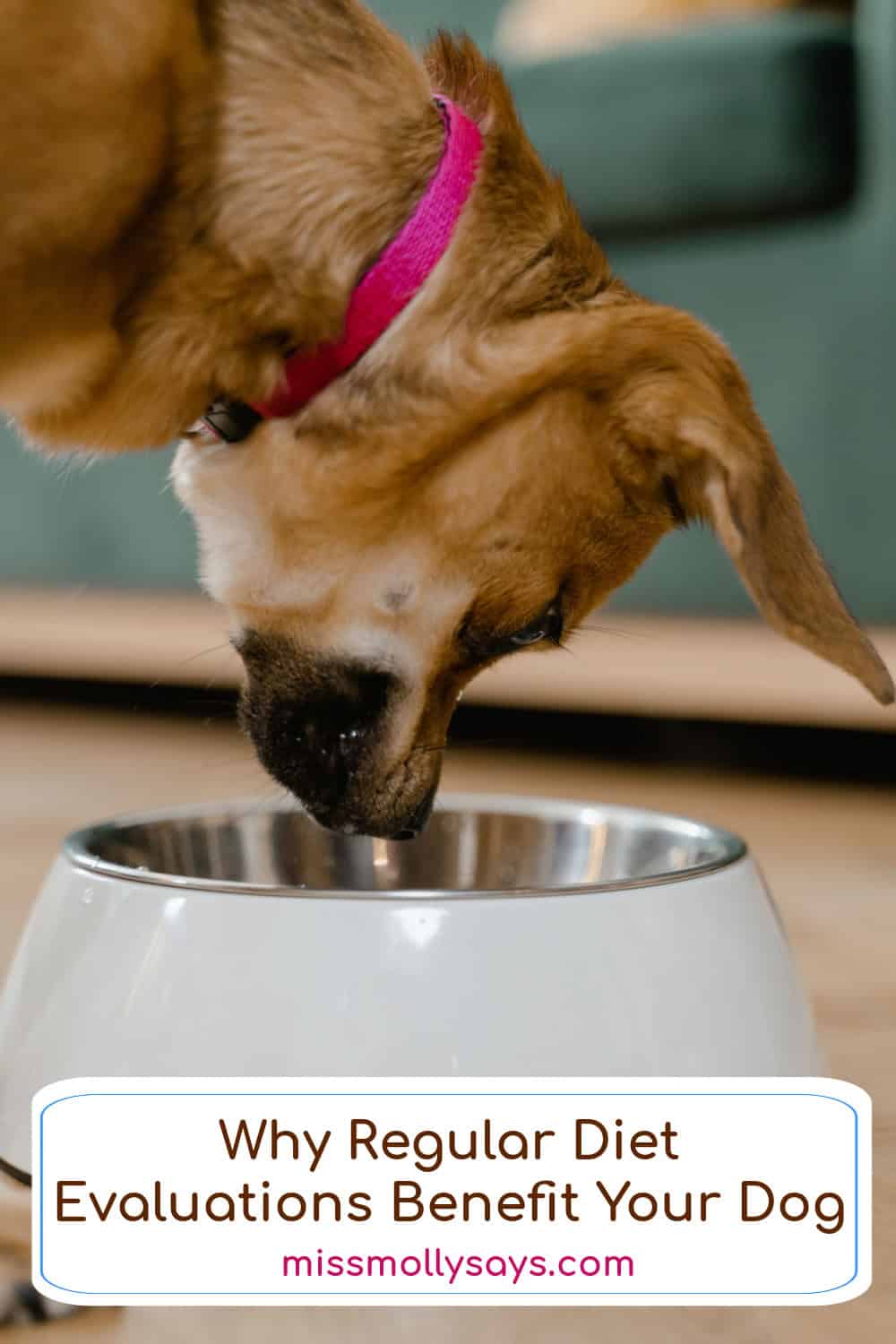
I believe that the responsibility of providing the pet with a nutritious and balanced diet is considered one of the most important by many. However, not everyone realizes that it is not enough to feed them the same food for months and several years without changing it. The dog's condition, age, activity, or other characteristics may have an influence on the changes in their dietary requirements. Therefore, I agree that it may be essential to analyze the diet on a regular basis in order to ensure that the dog is receiving proper nutrition.
Changing Nutritional Needs
Dogs have different nutritional requirements depending on their life stage. Thus, the best dog food is aimed at supporting their overall development and building muscle mass. An adult's diet, in its turn, is intended to help them maintain an optimal level of energy and weigh. Senior dogs, however, require special nutrition to help them control their weight, ease digestive problems, and reduce joint pain, among other health issues. It is therefore essential to evaluate and optimize the diet to suit the changing requirements of a dog's life stage rather than rely on the same diet patterns throughout life.
It is also important to note that even small adjustments in the lifestyle of a dog may affect their nutritional needs, and hence such factors should be taken into account in order to optimize the diet. For instance, those dogs which do not exercise due to an injury or for any other reason will need fewer calories than previously required. In addition, some owners may decide to start exercising, and hence would like to modify their dog's diet accordingly. Proper analysis and optimization of the diet can help avoid unnecessary gain/loss of weight in dogs.
Monitoring Physical Condition
One of the easiest methods to identify whether the diet is suitable or not would be to evaluate the pet's health. It needs to have healthy skin, a shiny coat, proper muscle build up, and enough energy. While evaluating, it can be identified whether the pet has shown any symptoms of malnutrition. In such situations, it becomes necessary for the owner to change the diet as it fails to supply everything required by the pet.
Another essential factor to evaluate is the pet's weight, which should be constantly kept track of because gradual changes are usually difficult to notice. While assessing different options, the pet owner will prioritize products depending on their nutritional value and ingredients, choosing the most suitable food for their animal rather than what is most well-known.

Supporting Digestive Health
A dog's digestive tract often acts as a reliable indicator of which diet is most appropriate for them. Healthy stool, good appetite, and the absence of uncomfortable feelings after eating are signs that the pet's food is tolerable and nutritious. If there are problems with digestion, it can be necessary to figure out what their diet needs.
The diet and the digestion process of a pet should also be considered alongside their whole family. For example, if there are cats and dogs in the home, looking at the diets of both can make things easier. While choosing which food to buy for them, it might also be helpful to research the best cat food available and see how they might benefit their feline friend.
Evaluating Treats And Extras
Meals are just a part of a dog's diet, so you have to consider treats, table scraps, and chews as contributors to calorie intake and nutritional balance. When analyzing your pet's diet, you have to evaluate how beneficial or harmful treats may be. In most cases, you can achieve the desired result by making some changes to the pets' treats. You can add something healthy to their diet or remove unhealthy items. It is vital to remember that small changes can be helpful.
Chewing products may also be used sometimes as a reward for the dog. Many pets love to chew bully sticks as a treat. Pet owners should give such products to their pets to help them avoid boredom and satisfy their desire to gnaw. However, you should not replace balanced nutrition with cheap chewing products made to last for a long time.
Working With Veterinary Guidance
The analysis of a regular diet can be particularly beneficial when combined with competent professional advice. A veterinarian can assess an animal's physical condition, spot possible problems, and suggest measures to address them, considering the individual needs of the animal in question. This reduces the likelihood that pet owners will make uninformed decisions based on popular trends and marketing propaganda.
This is the same case when it comes to routine checkups at the veterinarian. There will be a chance of assessing how your pet behaves, changes in its weight, activity levels, allergic reactions, and many other things. The problem of feeding must be sorted out immediately as this can help prevent future complications.
Regularly assessing the diet of our furry companions can help owners be proactive in regards to the wellbeing of their pets. We can do this by analyzing nutritional needs, assessing an animal's body condition, considering treats, and consulting professionals. By performing these tasks we can make sure our pets' diets are adjusted according to their growth and health in order to keep them active and healthy.




Leave a Reply