

Are you new to dog parenting and dog training? Then it's time for you to learn more about positive reinforcement. Dog training grounded on positive reinforcement uses rewards for desired good behavior.
Since rewards make dogs more likely to repeat certain actions, positive reinforcement is a powerful tool for shaping their behavior.
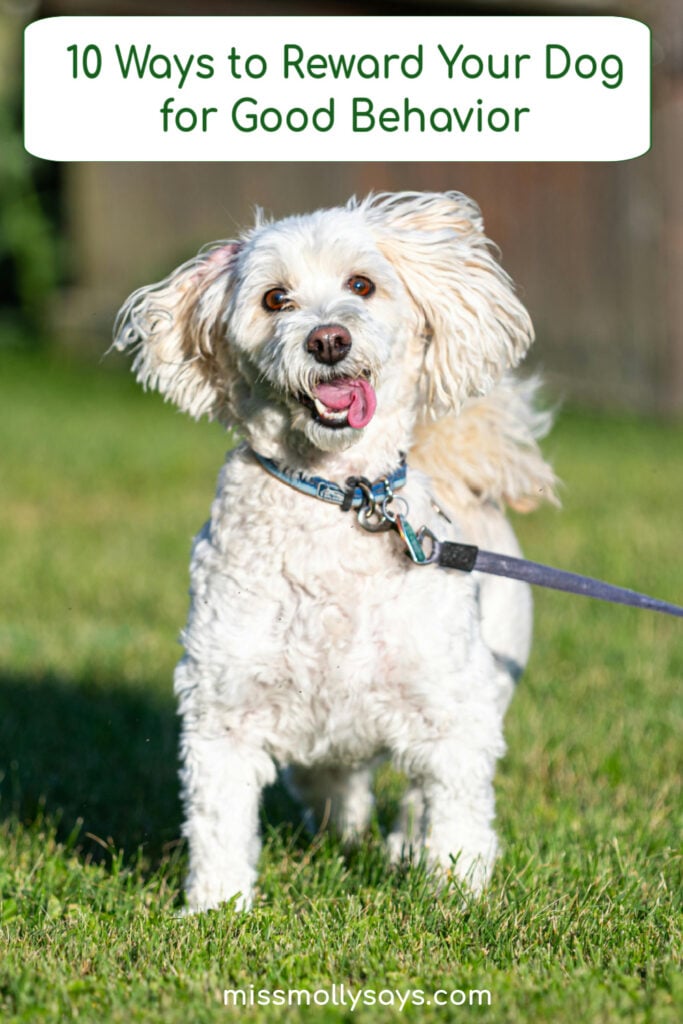
Rewards come in various forms. It's up to you to choose which one your dog likes best.
1. Reward him with his favorite treats or food
Food is the primary positive reinforcer used in dog training.
Some pet parents opt for kibble, while others choose the best treats available on the market.
I find kibble works extremely well for young puppies, whereas higher-value treats work best as they get older and learn more complicated commands.
Find the best type of food that motivates your fur baby. Just keep in mind that store-bought treats are high in calories, so you can either settle for healthier brands or homemade alternatives.
If you're looking for a nutritious option that also supports joint health, consider natural treats like Freedom Joint Chews from puplabs.com. They're a great choice for dogs of all ages, especially those who deserve a tasty reward with added benefits.
2. Never underestimate the power of physical affection
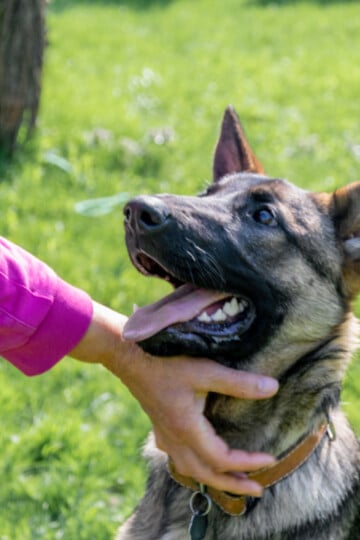
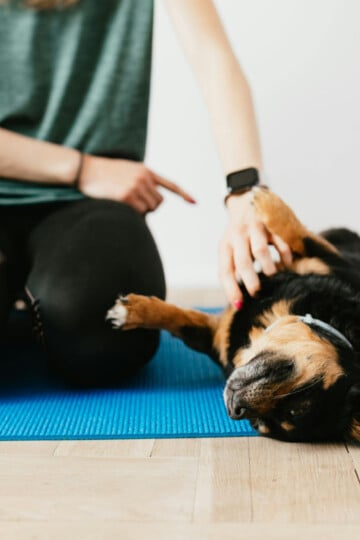
Petting or gently stroking your pet is another great way to let him know you're pleased with him.
This powerful reward must happen immediately after he follows the command, or else he may not associate it with that action.
3. Praise for your dog
Since our pets don't speak English, plain words wouldn't affect them.
The pitch of your voice and your body language are the keys to a good pet-parent-dog relationship.
Pitch your voice a bit higher when praising your dog.
Do it with so much love and enthusiasm that he knows that you are happy with his training performance.
4. Find a new, unique toy that he will love
Toys can be just as motivating as food.
Head to the store and find a few nice toys that you can use specifically for training sessions.
Hide them inside a drawer when not using them as rewards.
This way, your pet will find them exciting each time they show up.
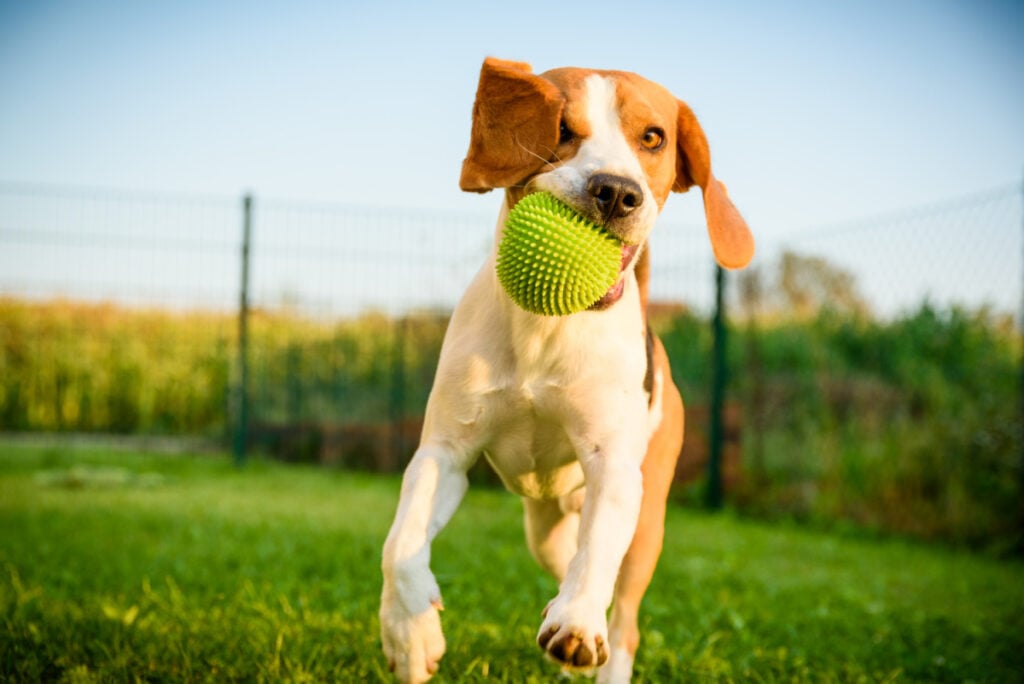
5. Outdoor playtime with you
Once finished with another successful training session, you can extend playtime outdoors as a reward.
Not all of us have a big yard, but if you have space, use it for rewarding interactive outdoor games.
Play fetch, hide and seek, or have fun chasing each other around.
6. Allow him to play freely in the yard
Allow your dog to freely play in the yard after a training session.
Most dogs love spending time in the great outdoors, and backyards offer the best space for their favorite activities.
Not to mention, there's sunshine and fresh air.
7. Head to the park right away after the training session
Walks are not commonly seen as rewards, but freedom in all forms can be highly motivating for dogs.
Just like us, dogs love to interact and play in new, fun environments.
Head to the park if this is something your dog enjoys. Before you allow him to play off-leash, ask him to follow a certain command.
8. Freedom to interact with other people
If you have some friends or family members coming over, why not set up a short training session with your dog before they arrive?
Afterward, you can reward your furbaby by giving him the freedom to greet the visitors.
Different dogs have different personalities and behaviors, most especially with strangers.
Only allow him to greet them when you're sure that he'll demonstrate polite behavior.
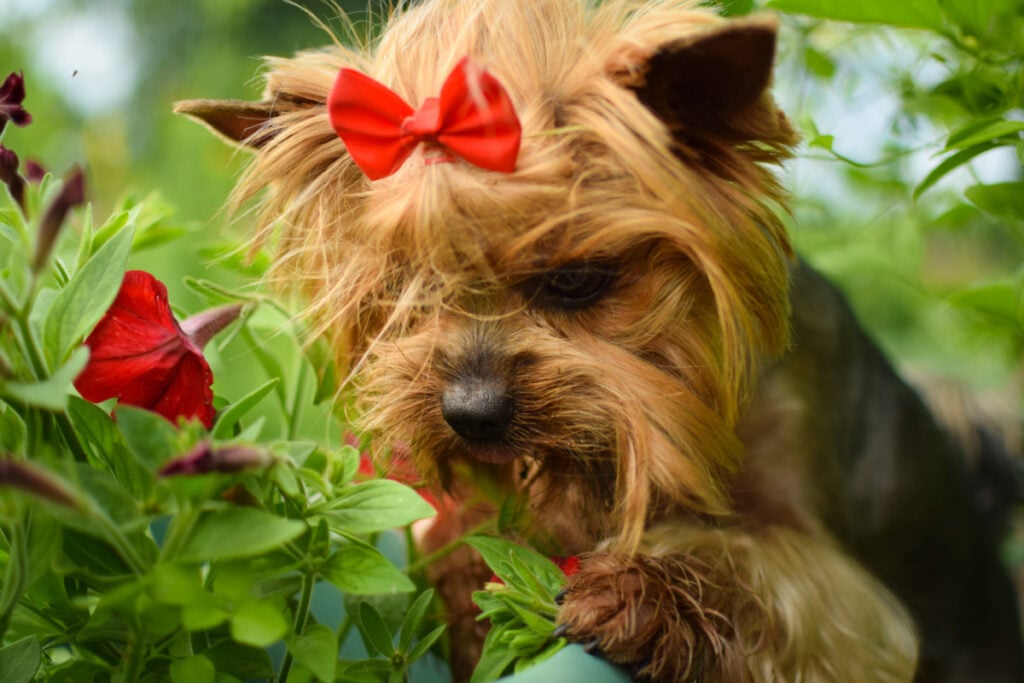
9. Permission to sniff, please!
For dogs, there is nothing more exciting than exploring new scents.
It's their primary way of learning more about the world they live in.
Think like a dog to make your dog happy.
Whether it's a small piece of garbage, your new shoes, or any other item, your dog will surely love to smell it.
10. Allow him to jump on the couch and cuddle with you
This is an amazing reward that is not only beneficial for your dog, but also for you!
Cuddling can have multiple positive psychological effects for both you and your best friend.
Make it a part of your training sessions.
Don't let your pet jump on the bed or couch with you whenever he wants. Instead, teach him to respond to a command first.
It's like asking for permission to do awesome, comfy things!
Rewards help you develop a stronger bond with your dog.
For your dog to be the perfect family companion, you need to shape his personality, and positive dog training can help you achieve this.
Since there are rewards involved, he will look forward to every training session and will be excited to try new things.
Not only that, as you go through training sessions day after day, your pet will learn to trust you even more, and your relationship will become so much stronger and happier!
Heather says
This is a great list of ways to reward your dog for good behavior.
Elizabeth says
The psychology is interesting!
rochelle haynes says
Cute dog
Elizabeth says
These are good to know!
Heather says
I love this post. It is so important to reward your pets for good behavior.
Terri Quick says
I need to try these on my 2 year old dog
Renee T says
Good tips. Thanks for sharing.