
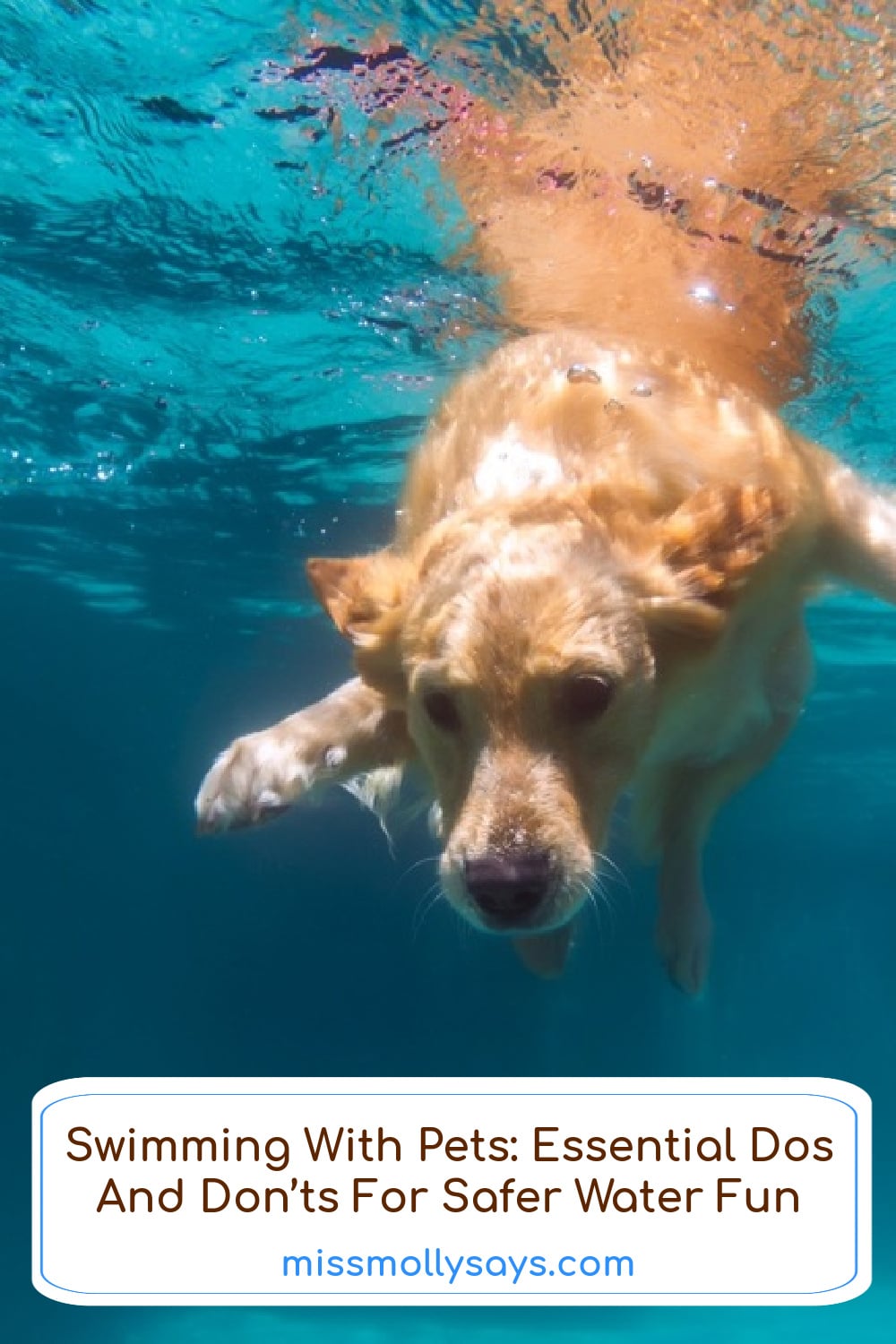
Swimming can provide dogs with exercise, mental stimulation, and relief from summer heat, but water activities require preparation and supervision. Despite the popular belief that all dogs can naturally swim, ability varies considerably by breed, age, health, and experience.
Pools, lakes, rivers, and beaches also present different hazards. Following a few practical precautions can make swimming safer and more enjoyable for pets and their families.
Do Assess Swimming Ability First
Introduce a pet to water gradually rather than placing or throwing the animal into a pool. Start in shallow water where the pet can stand comfortably and leave whenever it wants. Some dogs are naturally strong swimmers, while others struggle because of body shape, short legs, flat faces, age, or health conditions.
A properly fitted canine life jacket can provide additional flotation, particularly for inexperienced swimmers and dogs around deep or moving water. Watch how your pet responds. Heavy panting, frantic paddling, repeated attempts to leave, or obvious anxiety are signs that swimming should stop.
Don't Leave Pets Unsupervised
Pets should always have active adult supervision around water. Even experienced swimmers can become exhausted, disoriented, or unable to find an exit.
Pools can be especially dangerous if a dog falls in unexpectedly and cannot locate the steps. Teach your pet where the exit is by repeatedly guiding it to the same location. A pool fence or other secure barrier can provide additional protection when swimming is finished.
Supervision is equally important around natural water. Currents, waves, underwater debris, sudden drop-offs, and changing weather can create risks that are difficult to see from shore.
Do Check Water Conditions
Before allowing a pet into a lake or pond, look for posted warnings about water quality and harmful algal blooms. Some cyanobacteria can produce toxins that are dangerous or fatal to animals. Avoid water that appears discolored, has surface scum, or carries an unusual odor.
At beaches, check local conditions for strong currents and rough surf. Saltwater also creates another concern because drinking excessive amounts can cause dangerous sodium imbalances.
Pools require attention as well. Properly maintained pool water is generally safer than untreated water, but pets should still be discouraged from drinking it. Property owners may work with pool servicing companies to maintain appropriate filtration and chemical levels, but supervision remains essential whenever animals are near the water.
Don't Ignore Heat and Fatigue
Swimming is physical exercise. Dogs can become tired even when they appear enthusiastic about continuing. Schedule regular breaks in a shaded area and provide fresh drinking water. Watch for slowing movements, difficulty keeping the head above water, excessive panting, or trouble climbing out.
Older dogs and pets with medical conditions may need shorter sessions. Hot pavement and pool decks can also burn paw pads. Test surfaces before allowing pets to walk across areas exposed to direct sunlight.
Do Rinse and Dry Pets Afterward
Rinse pets with fresh water after swimming to remove chlorine, salt, sand, algae, or other residue from their coat and skin. Dry the ears gently, especially for dogs prone to ear infections. Check paws for cuts, irritation, or debris, and inspect the skin for scratches after swimming in natural water. Long-haired dogs may also need brushing once their coat is dry to prevent tangles.
Don't Force a Pet to Swim
Some pets simply do not enjoy water. Forcing a frightened animal into a pool can increase anxiety and create a dangerous situation for both the pet and the person attempting to help. Water activities should match the individual animal's comfort level. Shallow splash areas, sprinklers, or supervised play near the water can provide alternatives for pets that prefer staying on land.
Swimming can be a rewarding activity when safety comes first. Gradual introductions, constant supervision, clean water, rest breaks, and an accessible exit help reduce preventable risks. Look over the infographic below to learn more.



Leave a Reply