
Why flat faces change the flight plan
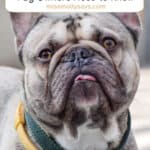
If you share your life with a Frenchie or a Pug, you already know the snorts, the snores, and the way they flop down after a short walk on a warm day. Those same traits make flying riskier for them than for most dogs. That doesn't mean your flat-faced friend can never fly. It means the trip needs more planning, the right airline, and an honest look at whether flying is the best option.
We're the team at Starwood Pet Travel, an IATA-certified international pet relocation company. Snub-nosed breeds are some of the most common questions we get. Here's what we tell owners before they book anything: what makes these breeds different, what airlines allow, how to prepare, and when skipping the flight is the smarter call.
What "brachycephalic" means, and why it matters at 35,000 feet
"Brachycephalic" means short-headed. Breeding for a flat face shortens the skull but not the soft tissue inside it, so the airway gets crowded. Vets call the resulting problems brachycephalic obstructive airway syndrome, or BOAS. It commonly involves:
- Narrow nostrils (stenotic nares) that limit how much air comes in
- An elongated soft palate that partly blocks the back of the throat
- A narrow windpipe (hypoplastic trachea) in some dogs, especially Bulldogs
- Everted laryngeal saccules, small tissue pouches that get pulled into the airway from chronic effort to breathe
Dogs cool themselves mainly by panting. A dog that already works hard to breathe has less capacity to shed heat, and stress, heat, and exertion make breathing harder. A busy airport, an unfamiliar crate, and a warm tarmac can stack all three at once.
Breeds airlines commonly treat as snub-nosed include French Bulldogs, Pugs, English Bulldogs, Boston Terriers, Boxers, Shih Tzus, Pekingese, Lhasa Apsos, and mixes of these breeds. Persian and Himalayan cats are on many lists too.
Cabin vs. cargo: what airlines allow
Many major U.S. airlines no longer accept pets as checked baggage for most travelers, and those that fly pets in the hold often restrict or refuse snub-nosed breeds. American Airlines, for example, won't accept brachycephalic dogs or cats of any mix as checked pets. Temperature restrictions are common too. Policies differ by airline, by route, and sometimes by season, and they change often. Always check the airline's current pet policy directly before you book.
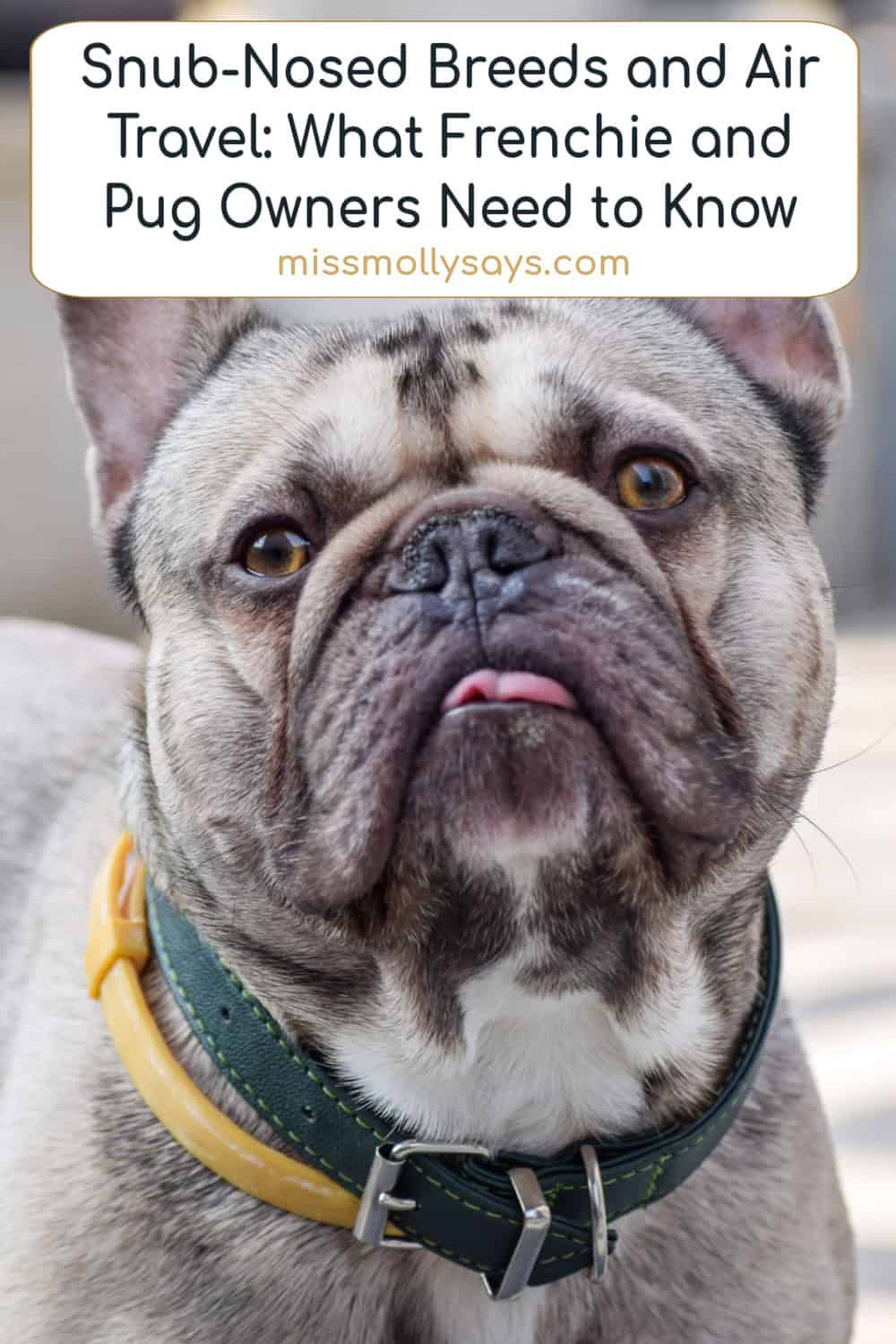
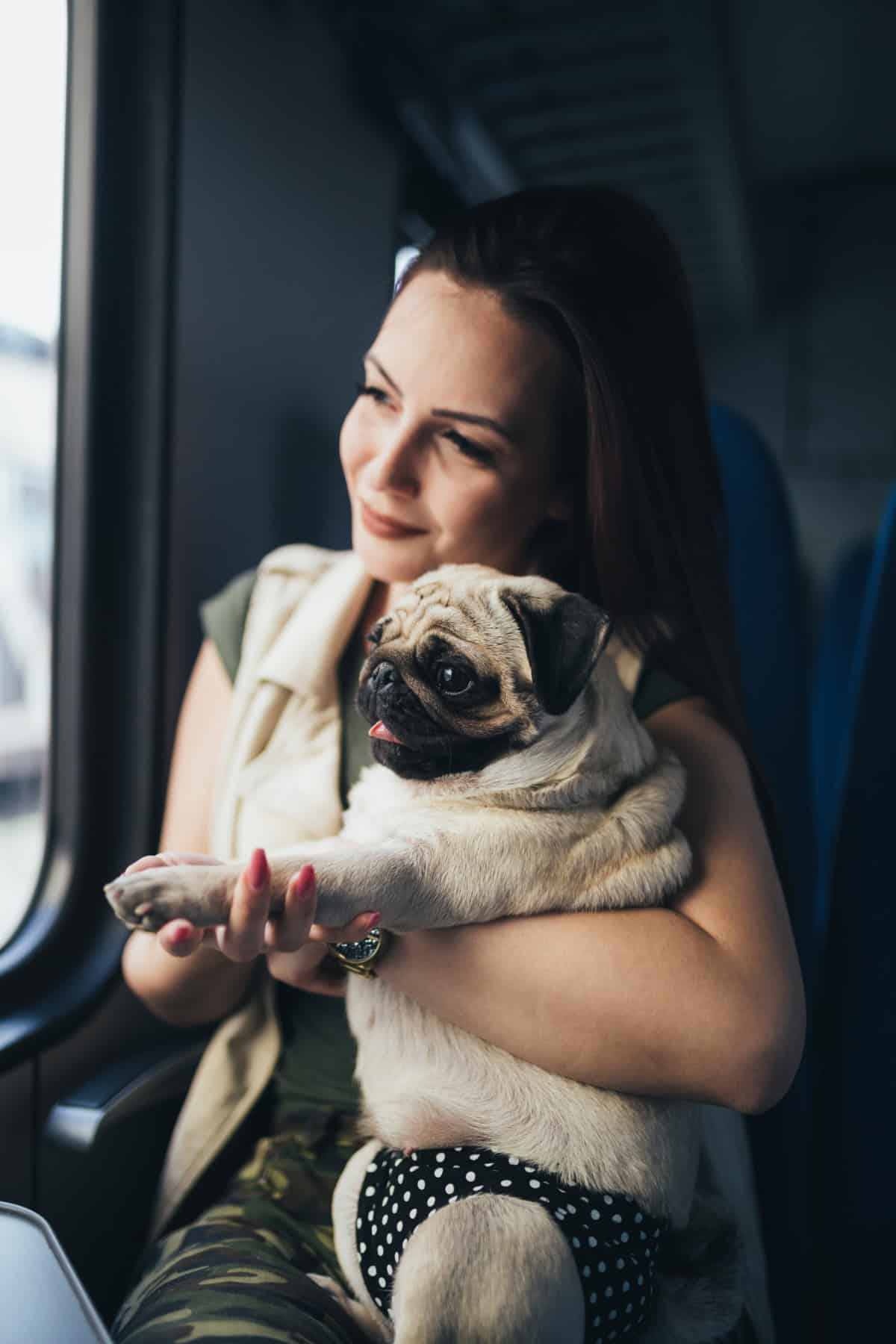
In the cabin. This is usually the most comfortable option for a small flat-faced dog. The catch is size: your dog must fit in a soft-sided carrier that slides under the seat in front of you, and stand and turn around inside it. The AKC lists Pugs at 14 to 18 pounds, so many fit. French Bulldogs can weigh up to 28 pounds, so larger ones often won't. Cabin spots per flight are limited, so book your dog's spot when you book your own seat.
In cargo. For larger dogs or international routes where cabin travel isn't allowed, cargo may be the only option. Some airlines accept snub-nosed breeds in manifest cargo with extra conditions, such as a larger crate or temperature limits. Others don't accept them at all. This is where an experienced pet shipper helps most, because they track which carriers and routes accept brachycephalic breeds right now.
Dog-focused flights. Newer services built around dogs flying in the cabin with their owners exist on some routes. They cost much more than a standard ticket, but they're worth knowing about if your dog is too big for under-seat travel.
How to prepare a flat-faced dog to fly
- Start with a vet visit focused on breathing. Ask your vet to assess your dog's airway, not just sign a health certificate. Some vets use a functional BOAS grading test, which checks breathing before and after light exercise. If your dog has had airway surgery, such as widened nostrils or a shortened soft palate, bring the records.
- Don't sedate. The American Veterinary Medical Association warns that tranquilizers and sedatives can increase the risk of heart or respiratory problems, and most airlines don't allow them. That risk matters even more for a dog that already struggles to breathe. Talk to your vet about any anxiety concerns well before the trip.
- Size the crate up. IATA requires a container 10% larger than standard sizing for snub-nosed breeds. More room means more airflow.
- Crate train early. Start weeks ahead. A dog that sees its crate as a safe den will be calmer, and calmer breathing is the goal.
- Pick cooler times. Choose early-morning or evening flights, avoid summer heat where you can, and book nonstop routes to cut time on the tarmac.
- Keep your dog at a healthy weight. Extra weight puts more pressure on an already narrow airway.
- Plan meals and water. Offer a light meal a few hours before departure, and attach a water dish your dog can drink from inside the crate.
Paperwork and timing
Even a domestic flight comes with paperwork. If you're crossing state lines or borders, you'll generally need a certificate of veterinary inspection, often called a health certificate. The AVMA says it must be issued within 10 days before air travel and signed by a federally accredited veterinarian. Not every vet holds that accreditation, so ask when you book the appointment. Keep copies of every document in your carry-on, not your checked luggage, so they're on hand at check-in and on arrival.
If your dog is flying in the hold, your airline may also ask for a health and acclimation certificate. This document states that your dog is fit to travel and notes limits such as the acceptable temperature range. It's separate from the health certificate, and it also needs a vet's signature within 10 days of your trip.
Season matters too. The AVMA recommends early-morning or late-evening flights in warm months, and afternoon flights in colder months when temperatures are milder. For a flat-faced dog, heat is the bigger danger. That's why IATA advises against transporting snub-nosed breeds in hot season at all.
Travel day: before, during, and after the flight
Small choices on the day of travel add up.
- Before you leave. Give your dog a calm, gentle walk in the coolest part of the day. Skip vigorous play, which leaves a flat-faced dog panting before the trip even starts.
- Pack the essentials. Bring vaccination records and your health certificate, a leash, collar and ID tags, a recent photo of your dog, enough food for the whole trip, and any medications.
- At the airport. Keep your dog out of hot cars and sunny curbsides as much as you can. Find a quiet corner of the terminal and keep the carrier out of direct sun.
- In the cabin. Your dog must stay in its carrier under the seat for the whole flight. Check on them quietly, and keep the carrier's vents clear of bags and blankets.
- After landing. Offer water and a cool, quiet place to rest. Keep an eye on your dog's breathing for the rest of the day, and call a vet if anything seems off.
Warning signs to watch for
Know what overheating and breathing distress look like before you travel, so you can act fast. Watch for:
- Loud, labored, or raspy breathing that doesn't settle with rest
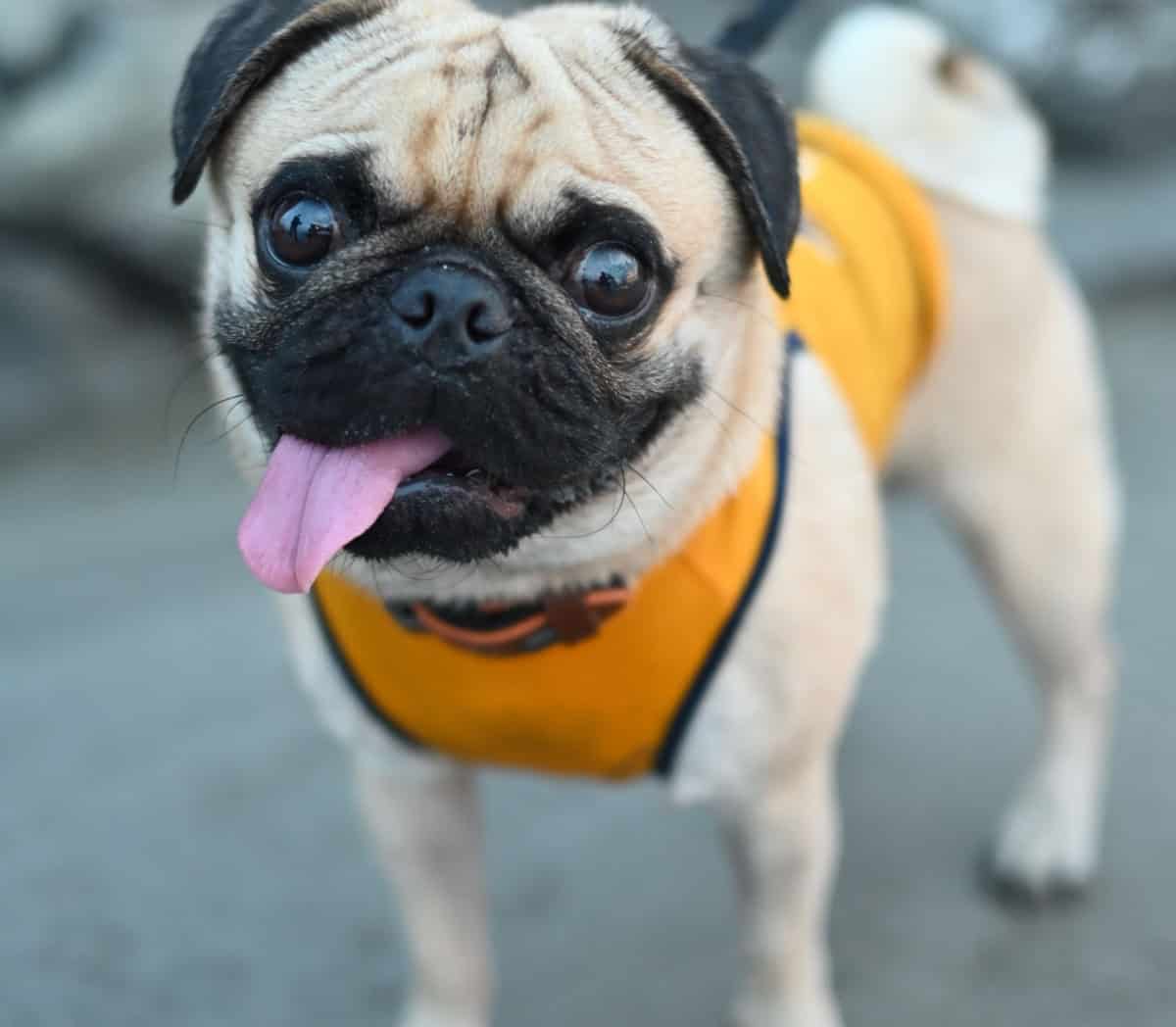
- Heavy panting with a wide, stretched-back mouth
- Excessive drooling
- Gums or tongue that look bright red, blue, or gray
- Weakness, stumbling, vomiting, or collapse
If you see these signs, move your dog somewhere cool, offer water, and get veterinary help right away. Heatstroke can turn serious quickly in brachycephalic breeds. Before you fly, save the number of a 24-hour emergency vet at your destination.
Flying internationally with a snub-nosed breed
International trips add another layer. Many international routes require pets to fly as manifest cargo rather than in the cabin. That leaves owners of snub-nosed breeds looking for the narrow set of airlines and routes that accept them in cargo.
On top of the airline rules, each country sets its own entry requirements. These can include an ISO-compliant microchip, rabies vaccination given on a specific timeline, a rabies antibody titer test, and a health certificate endorsed by the USDA. Get the order or the timing wrong and your dog can be refused entry or quarantined. The AVMA notes that arrangements for international travel can take six months or more.
If you're planning a move abroad with a flat-faced dog, it pays to start early and get help. Working with an experienced pet relocation team means someone else tracks which airlines will fly your breed, books the right routes, and makes sure every document is in order before you leave.
Is flying the right call?
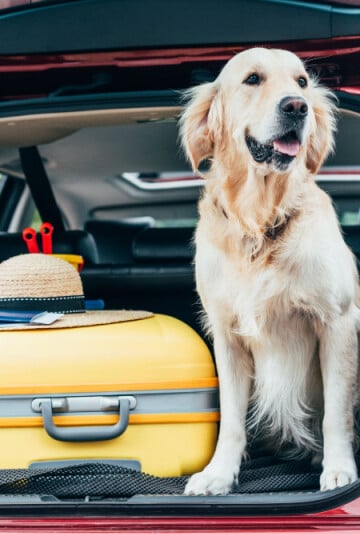
Sometimes the best flight is no flight. For trips within driving distance, a road trip in a cool car with plenty of breaks is often easier on a flat-faced dog. Miss Molly would approve. If your dog has severe breathing problems, a pet sitter or a trusted boarding facility may be kinder than a long journey.
When flying is the only way, as with most international moves, planning makes the difference: a breathing-focused vet visit, the right airline, a well-sized crate, no sedation, and cool travel times. Your Frenchie or Pug can get there safely. It just takes a little more homework.
Leave a Reply