

A few extra pounds might seem harmless, but excess weight can have serious consequences for dogs and cats. Overweight pets face increased risks of diabetes, joint problems, and reduced mobility. Even everyday activities, such as climbing stairs or playing, can become more difficult. Fortunately, gradual weight loss can improve their comfort and overall health. The key is making sensible changes without compromising nutrition or creating unnecessary stress.
Do: Start With a Veterinary Assessment
Before changing your pet's diet, schedule a veterinary appointment. Your veterinarian can evaluate body condition, determine an appropriate target weight, and check for medical conditions that may affect weight management.
A healthy weight depends on more than breed or age. Body composition, activity level, and existing health conditions also matter. If you're researching how to choose a vet, look for someone who provides nutritional guidance, monitors progress, and develops realistic weight management plans.
Don't: Make Sudden Changes to Food Portions
Drastically reducing food intake can cause nutritional deficiencies and other health problems. Cats are particularly vulnerable because prolonged inadequate food intake can contribute to hepatic lipidosis, a potentially life-threatening liver condition.
Instead, follow a veterinarian's recommended calorie target and feeding schedule. Some pets benefit from specially formulated weight management diets that provide essential nutrients with fewer calories. Any dietary transition should happen gradually to reduce digestive upset.
Do: Measure Every Meal
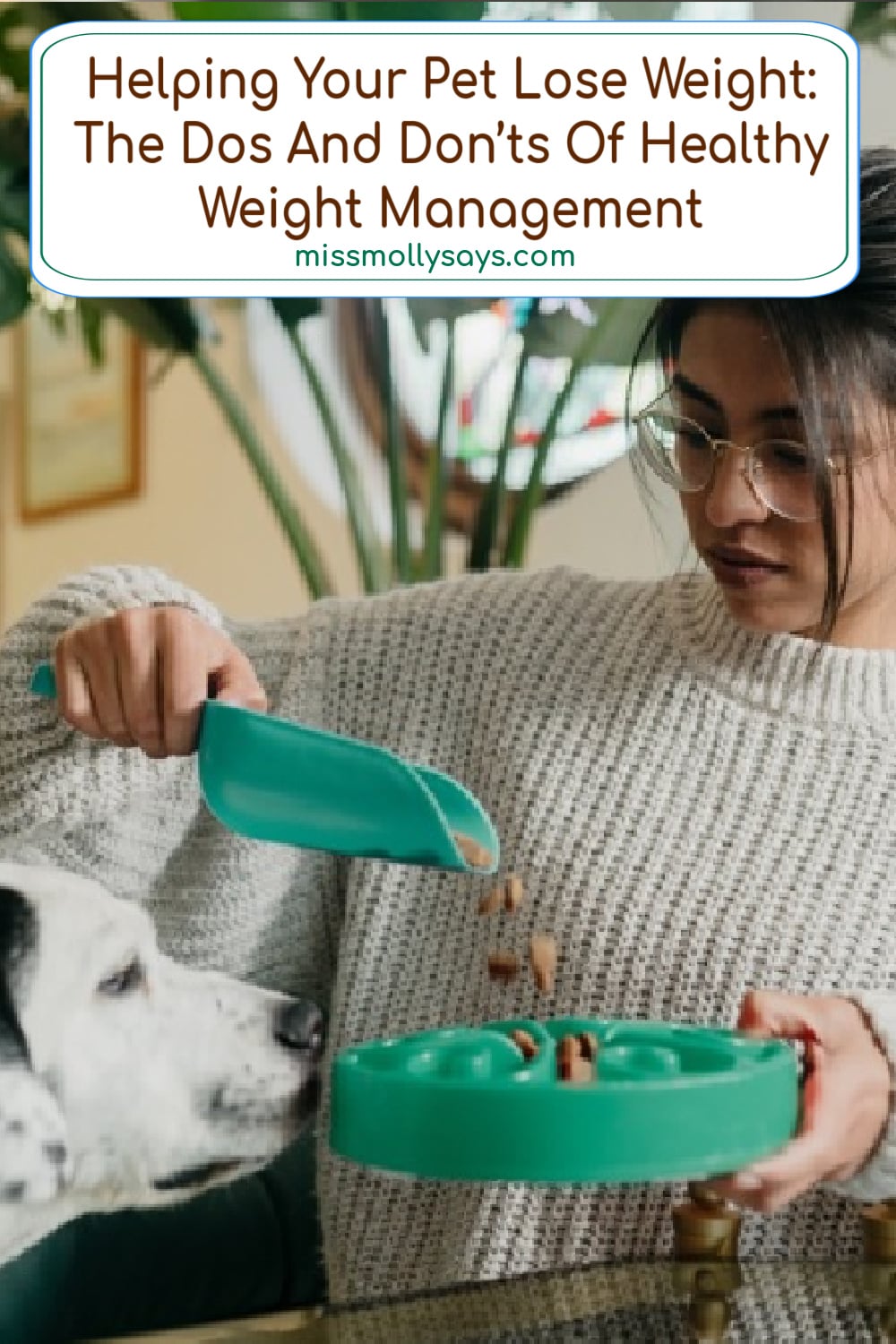
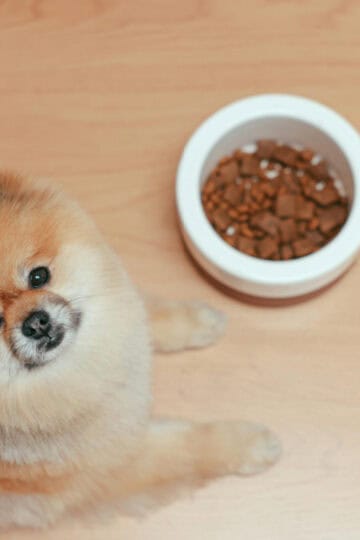
Estimating portions can easily lead to overfeeding, especially when several family members share feeding responsibilities. Measuring food with a kitchen scale provides greater accuracy than using an unmarked scoop.
Check the calorie content of your pet's food rather than relying exclusively on package feeding recommendations. These guidelines are starting points and may need adjustment. Remember to include treats, table scraps, and supplements that contain calories in the daily total.
Don't: Ignore Treats and Extra Snacks
Treats can account for a surprising portion of a pet's daily calorie intake. A few biscuits, leftover meat, or frequent training rewards may interfere with weight loss even when regular meals are controlled.
As a general guideline, treats should provide no more than 10% of daily calories. Consider using portions of your pet's regular food as rewards. Low-calorie alternatives may also work, but confirm that any fruits or vegetables offered are safe for your pet.
Do: Introduce Exercise Gradually
Physical activity supports weight management and helps preserve muscle mass. However, an overweight pet may struggle with intense exercise, particularly if joint pain or respiratory problems are present.
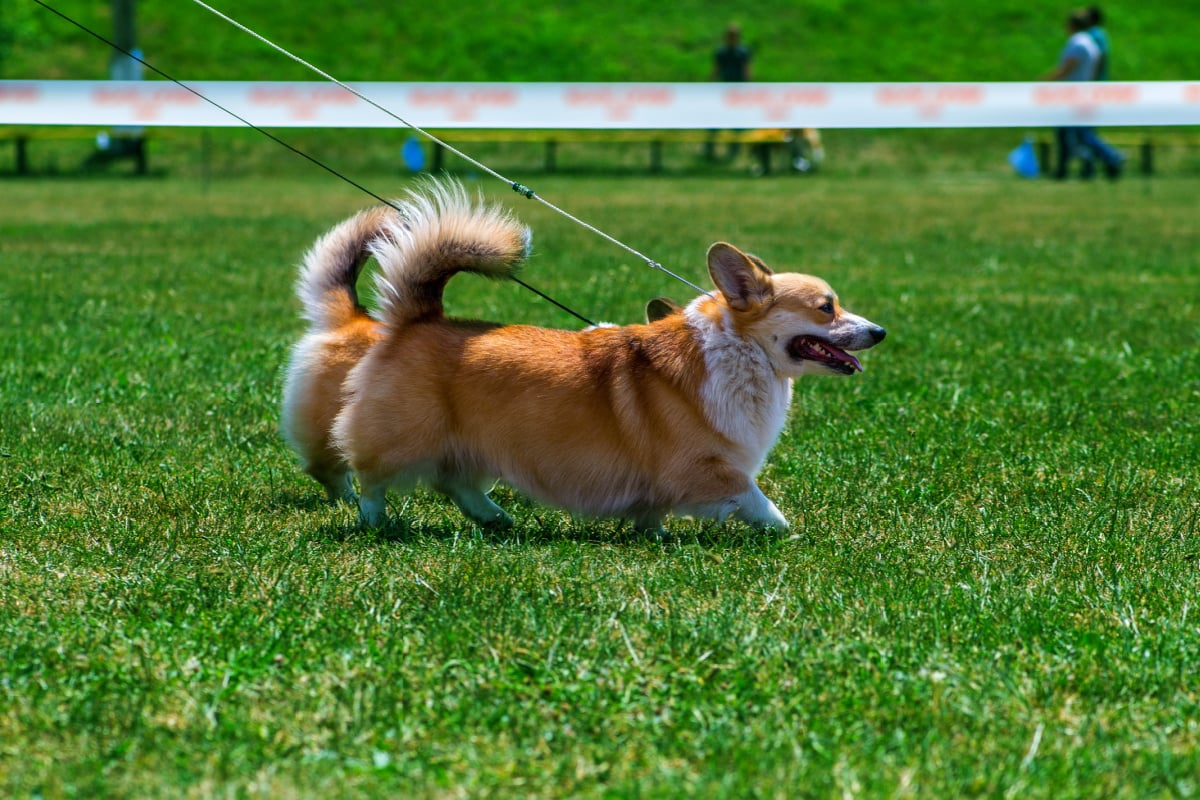
Start with manageable activities suited to your pet's abilities. Dogs may benefit from shorter, more frequent walks, while cats often respond to brief interactive play sessions using wand toys. Increase activity gradually as endurance improves, following veterinary advice when health concerns exist.
Don't: Expect Immediate Results
Healthy weight loss takes time, and progress varies between animals. Rapid changes can be dangerous, especially for cats, so avoid aggressive calorie restrictions or excessive exercise.
Your veterinarian can recommend an appropriate rate of weight loss based on your pet's condition. Regular weigh-ins, often every two to four weeks initially, help determine whether the plan needs adjustment. Consistent progress matters more than dramatic changes on the scale.
Do: Make Weight Management a Household Effort
A weight loss plan becomes difficult when one person measures meals while another provides extra treats. Everyone responsible for feeding your pet should follow the same instructions.
Create a simple feeding chart that records meals, treats, and medication-related snacks. If multiple pets share a home, consider separate feeding areas to prevent food stealing. Puzzle feeders can also encourage slower eating and provide mental stimulation.
Don't: Stop Monitoring After Reaching the Goal
Reaching a healthy weight is an important milestone, but maintaining it requires continued attention. Returning immediately to previous feeding habits can lead to weight regain. Work with your veterinarian to establish an appropriate maintenance diet and continue monitoring body condition. Adjust food portions when activity levels, age, or health circumstances change.
Successful pet weight loss depends on patience, consistency, and appropriate veterinary guidance. Rather than focusing exclusively on numbers, pay attention to improvements in mobility, energy, and comfort. Maintaining healthy habits after weight loss helps your pet enjoy a more active and comfortable life. Check out the infographic below for more information.

Leave a Reply