

Those who have shared their living space with these canine companions know the true power of the human-dog connection. Throughout our lives, dogs have given us nothing but their love, company, and joy. Over time, their role has evolved significantly. Nowadays, dogs are no longer merely pets; rather, they are life partners who play a key role in helping us cope with physical and psychological illnesses.
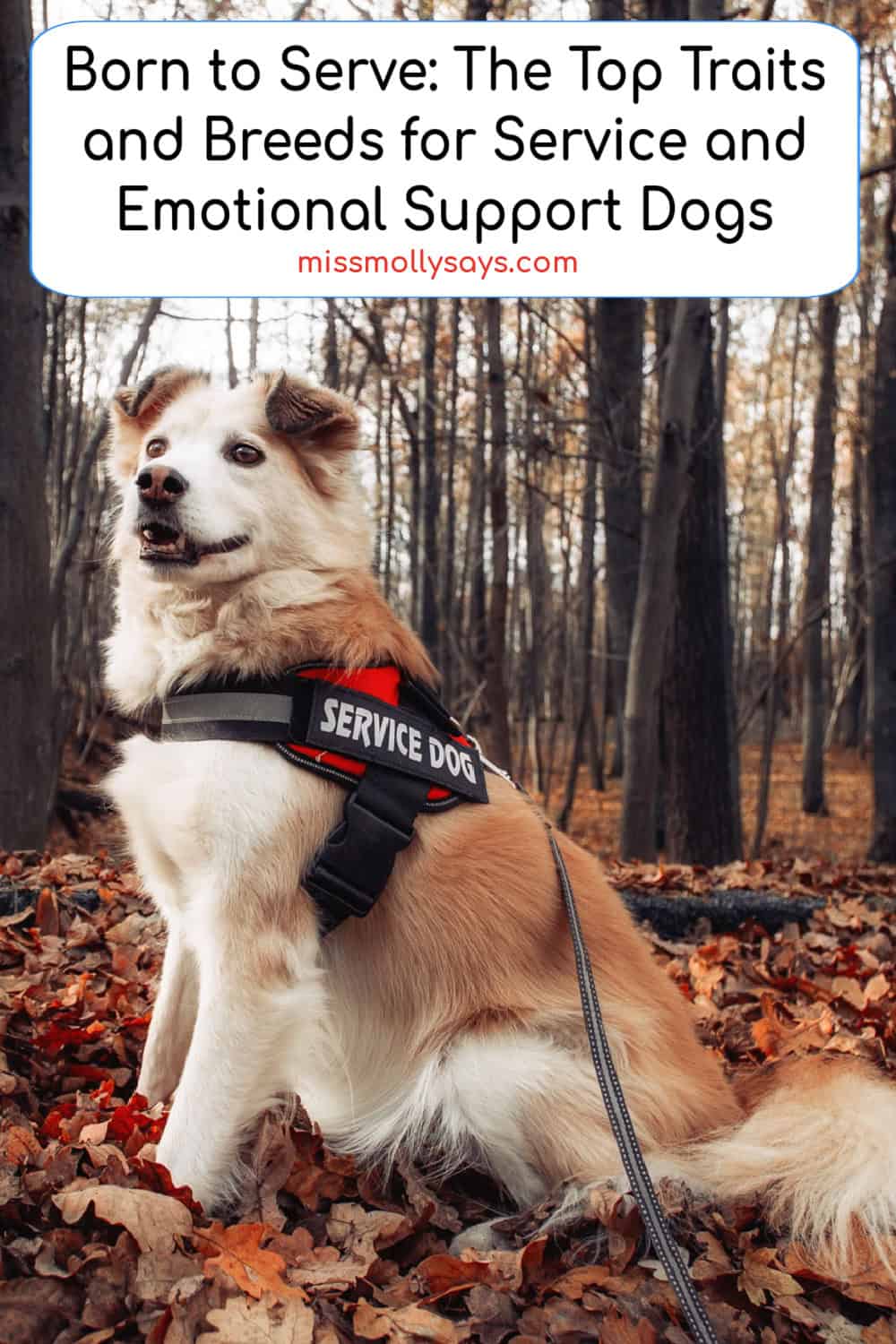
This transition may make some pet owners wonder if there's an opportunity for every dog to serve as either a service animal or an emotional support animal (ESA). Although all dogs are unique, transitioning into a working or supporting position requires certain temperament and behavioral characteristics, along with proper genetics.
Setting the Stage: Service Dogs vs. Emotional Support Dogs
Before discussing specific temperaments and breeds, it is crucial to clarify the differences between a "Service Dog" and an "Emotional Support Animal."
• Service Dogs: As defined by the Americans with Disabilities Act (ADA), Service Dogs are specially trained to accomplish specific tasks for people with disabilities. These tasks include guiding visually impaired individuals, alerting handlers to an impending medical crisis or anxiety attack, fetching medication, and more.
• Emotional Support Animals (ESAs): An ESA serves as a source of comfort and therapeutic assistance merely through its presence. There is no requirement for ESAs to undergo specialized task training. The Fair Housing Act allows people with qualifying conditions to live with their emotional support animals without paying pet fees. You just need to have proper documentation, like a letter from a licensed healthcare professional, such as a therapist, to share with your landlord.
What Makes a Great Service Dog?
Service dog roles are highly demanding. A successful Service Dog must balance steady focus with specialized physical attributes and emotional stability under pressure.
The "Must-Have" Temperament Traits:
• Steadfast Composure: A working dog must have an impeccable foundation in busy public surroundings. They cannot be distracted by major factors such as dropped food, unfamiliar animals, large crowds, or sudden noises.
• High Level of Intelligence & Trainability: When learning complex, multi-step tasks, a high level of intelligence, rapid retention, and decision-making abilities under pressure are essential.
• Eager to Please: A strong, built-in work ethic ensures that the dog enjoys their job while working side-by-side with their handler for long hours.
• Even Temperament: The ideal candidate must be well-balanced-neither fearful and timid, nor overprotective, overreactive, or aggressive.
Top Breeds for Service Work:
• Golden Retrievers & Labrador Retrievers: The absolute gold standard in service work. Intelligent, highly adaptable, and naturally eager to please, they possess a gentle "soft mouth" ideal for retrieving sensitive items like medicine bottles or dropped keys.
• Standard Poodles: Highly intelligent and exceptionally quick learners, Poodles are an outstanding choice for handlers who require a hypoallergenic dog to avoid allergy triggers.
• German Shepherds: Known for intense focus, strength, and unwavering devotion, they excel in heavy mobility assistance, psychiatric service work, and physical brace support.
What Makes a Great Emotional Support Dog?
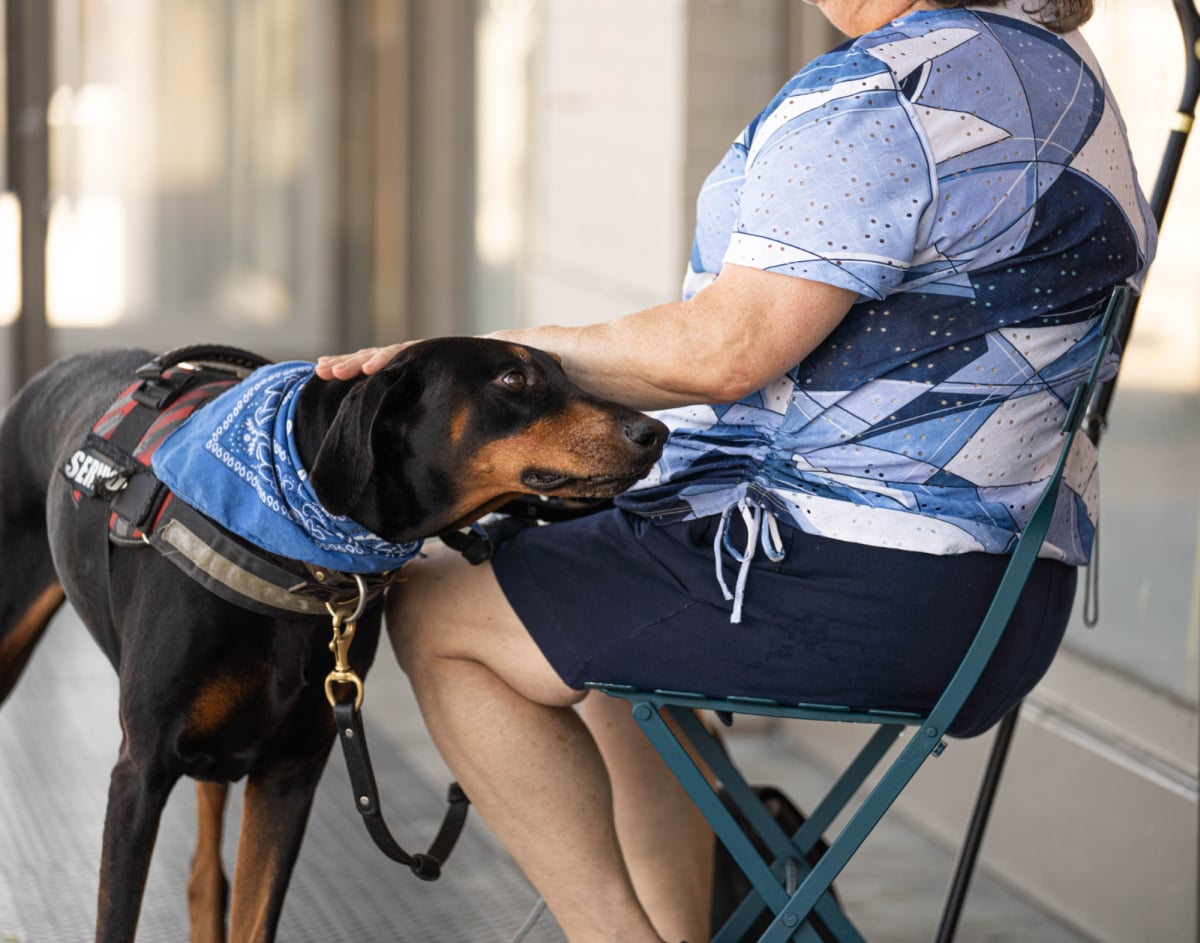
Since ESAs don't require specific task training, their natural emotional presence is the most important factor in fulfilling their role effectively at home.
The "Must-Have" Temperament Traits:
• Deep Empathy & Affection: Great ESAs are naturally attuned to human emotional states and thrive on close, comforting physical contact during difficult moments.
• Adaptability: They remain relaxed, confident, and comfortable across various home settings, travel routines, and household changes.
• Calm Presence: An ESA's primary purpose is to soothe. An overly anxious, vocal, or hyperactive dog can inadvertently heighten a handler's stress rather than alleviate it.
Top Breeds for Emotional Support:
• Cavalier King Charles Spaniel: Renowned as ultimate lap dogs, Cavaliers possess an intuitive, gentle nature that makes them ideal emotional anchors for anxiety relief.
• Corgis: Upbeat, loyal, and full of personality, Corgis bring warmth, routine, and positive energy to their handlers' daily lives.
• Rescue Mutts: Temperament always trumps pedigree. Mixed-breed rescue dogs often make extraordinary ESAs thanks to their deep bonds with their owners, high adaptability, and resilient natures.
Can Your Current Dog Take on These Roles?
Assessing whether your pet can transition into a working or support role requires an honest look at their innate behavior. Ask yourself: Does your dog remain steady and curious in an unfamiliar setting, or do they startle easily? Do they look to you for guidance when stressed?
It's also important to consider the training commitment. Developing a reliable Service Dog takes 1 to 2 years of intensive, consistent training. Preparing an ESA focuses primarily on good household manners, emotional connection, and ensuring your dog thrives in your living environment.
Ready to Take the Next Step?
Whether they are performing life-saving tasks or simply offering comfort on tough days, assistance dogs are everyday heroes who sometimes go unnoticed. If you're ready to embark on this journey, USAServiceDogs.org is a fantastic resource dedicated to helping you get ready and register your service dog or emotional support dog.
As an organization committed to handler success, they help you better understand your legal rights and offer personalized support to help you navigate all types of issues with your service animal. They can even help connect you with a licensed therapist to obtain proper ESA letters. Plus, while it isn't required by law, registering your dog through their platform and outfitting them with recognizable identification equipment can be a great way to avoid unnecessary hassles and questions when you are out and about.



Leave a Reply