
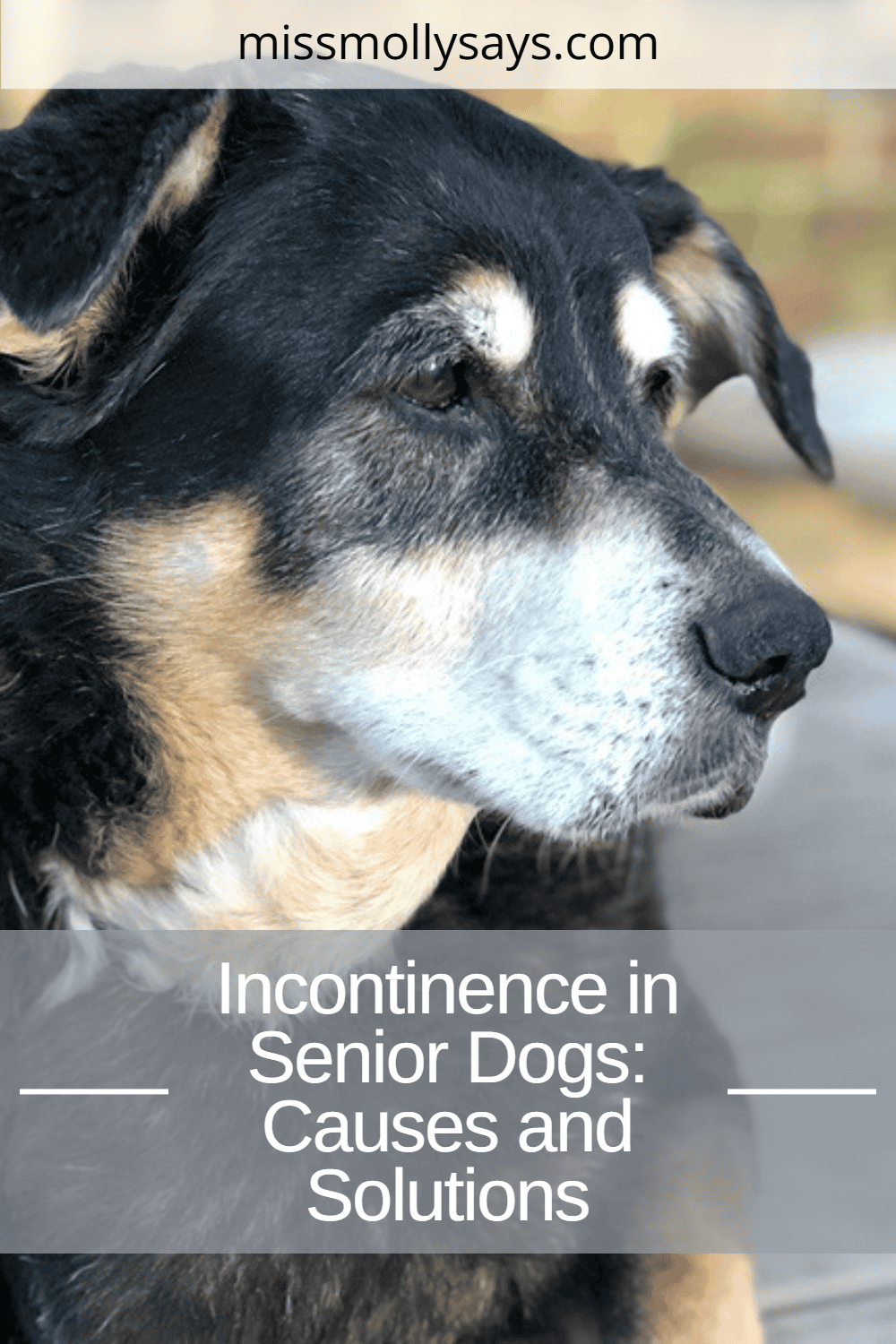
Incontinence in senior dogs is common; however, it is often misunderstood. This condition can affect both a pet's quality of life and an owner's daily routine.
As dogs age, changes in their bodies can occur, leading to a loss of bladder control and unexpected accidents.
This condition can be frustrating to deal with. However, it is important to know that incontinence is usually a symptom of an underlying issue rather than simply a behavioral problem.
Underlying issues can range from age-related muscle weakness to hormonal imbalances or more serious health concerns.
Finding and understanding the root cause is the first step toward finding effective solutions.
In this article, we will explore the common causes of incontinence in older dogs.
We will also discuss practical strategies to help manage the condition with compassion and care.
Causes of incontinence in a senior dog
While incontinence can affect dogs of any breed or gender, middle-aged or senior females tend to be affected most often.
Some breeds also seem to be predisposed to the issue, including Doberman pinschers, Old English sheepdogs, and cocker spaniels.
In any dog, incontinence can be caused by several different issues.
Bladder Muscle Weakness
When most dogs are young, their bladder muscles are appropriately strong.
These muscles are what work to keep the bladder sealed off until the dog is ready to go.
As a dog ages, these muscles get weakened, usually due to reduced hormone production.
Spayed and neutered dogs naturally have fewer hormones in their system. These dogs may show signs of old-age incontinence earlier than intact dogs.
Injury or Illness
Illnesses and injuries can also cause incontinence in senior dogs.
The problem may be as simple as a spinal injury or bladder stones. Or, as complex as kidney failure, a protruding disc, or the presence of a tumor.

Solutions for incontinence
Just as there are several possible causes behind incontinence in senior dogs, there are also several possible solutions!
Medication
If the vet determines your dog's incontinence to be caused by hormonal issues, they may start them on hormonal replacement therapy. This is usually in the form of oral medication.
If they believe the issue can be solved without hormones, vets may prescribe the non-hormonal medicine phenylpropanolamine (Proin). This is what my dog Sallie took, and currently, my other dog Brandi takes it.
In both cases, doses of the medication will need to be continued throughout the rest of your dog's life to maintain effectiveness.
Surgery
Another way to fix incontinence is with surgery.
This is usually reserved for cases where there is an obstruction or injury that cannot be cured with medication.
In these cases, the problem may be completely fixed. On the other hand, your dog may still have an occasional accident, but not as frequently as before.

Diapers
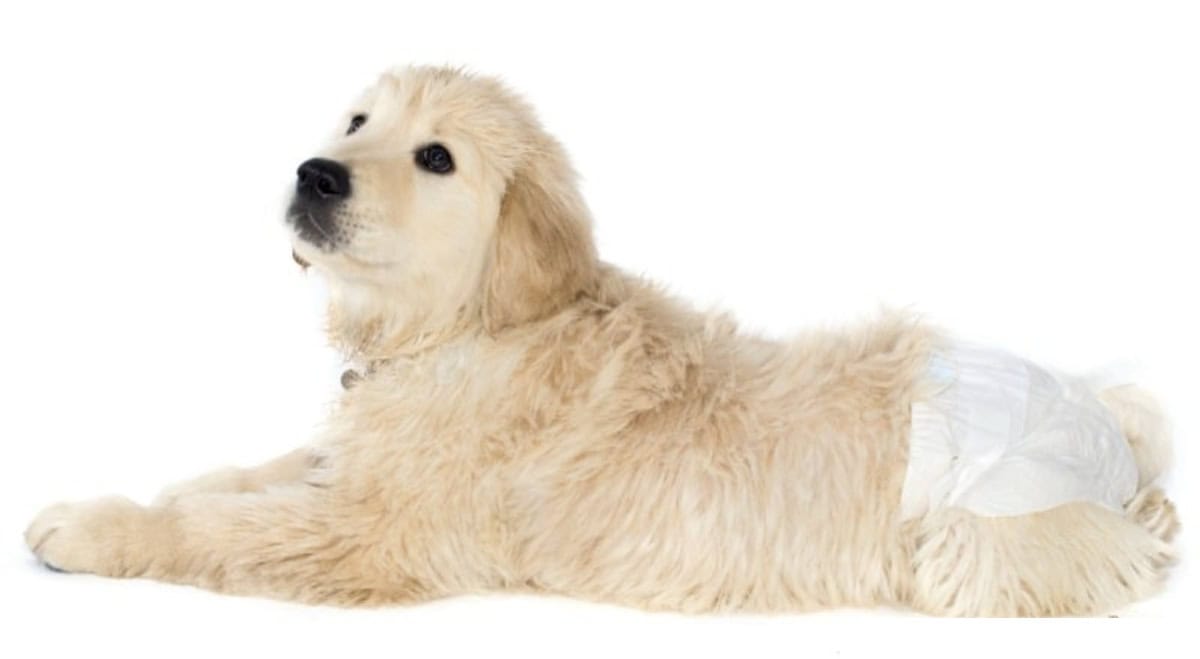
If medication or surgery doesn't solve your dog's incontinence completely, you may have to keep them in dog diapers.
While this isn't ideal, it is a decent solution.
After a little while, your dog probably won't even remember that they're wearing a diaper! And you'll be happy not having to worry about them having accidents in the house.
Pee Pads
Another solution is using pee pads. Place them in their crate if they are leaky during the night.
You can also place them in an area that they can easily reach rather than waiting to be let out.

Final thoughts
To figure out the cause and best solution to your senior dog's incontinence, consult your vet.
They can figure out exactly what is causing your pet's incontinence, and tell you the best way to deal with it!
Whatever the bottom line is, know that your senior pet cannot help it.
Do not punish or scold your pet! They are not doing it on purpose, and it is something out of their control.
Be understanding and patient in helping them find a solution or dealing with it.
Have you ever dealt with incontinence in a senior dog before?
Elizabeth says
It’s good to know options!
Heather says
These are things pet parents should be aware of this list is helpful.
Linda says
You seemed to have missed the information on early spaying
Molly says
In the case of senior dogs, I am referring incontinence that sometimes comes with old age. This is the kind that happens to humans also. Incontinence does sometimes happen from early spaying but first appears in young dogs. You can read more about early incontinence here: https://missmollysays.com/incontinence-in-young-dogs-causes-deal/
jill broder says
great tips for newbies
Christine Gaskill says
Is this equally effective on male and female? Wondering Cruz boys lift a leg and if diapers restrict that movement. Puppy potty training usage a thought...
Mia says
I have not had this problem in the past but I am glad to know that their are some workable solutions out there.
Julie Kenyon says
I haven't had to deal with this yet, but it's good information.
Dotty J Boucher says
I am so glad that they have solutions for this type of problem, I can see it happening after all it happens to us, I mean its great that the problem can be fixed,
April monty says
It happens to dogs just like it happens to us my dad's dig has doggies diapers and the special potty pad they help s lot
Bethany Cook says
Thank you for the info.
Katie says
I keep telling Gracie she is not allowed to get old. She is 8 1/2 now. However, I need to start reading up on issues that are common in senior dogs so I can watch out for signs in her! Thanks for sharing