

Moving changes nearly every part of a pet's familiar environment at once. Furniture disappears, unfamiliar people enter the home, routines shift, and new smells appear.
These changes can cause stress in dogs, cats, and other companion animals, even when they normally adjust well to new experiences.
Preparing specifically for a pet's needs can reduce escape risks, support familiar routines, and make the transition into a new home easier for everyone.
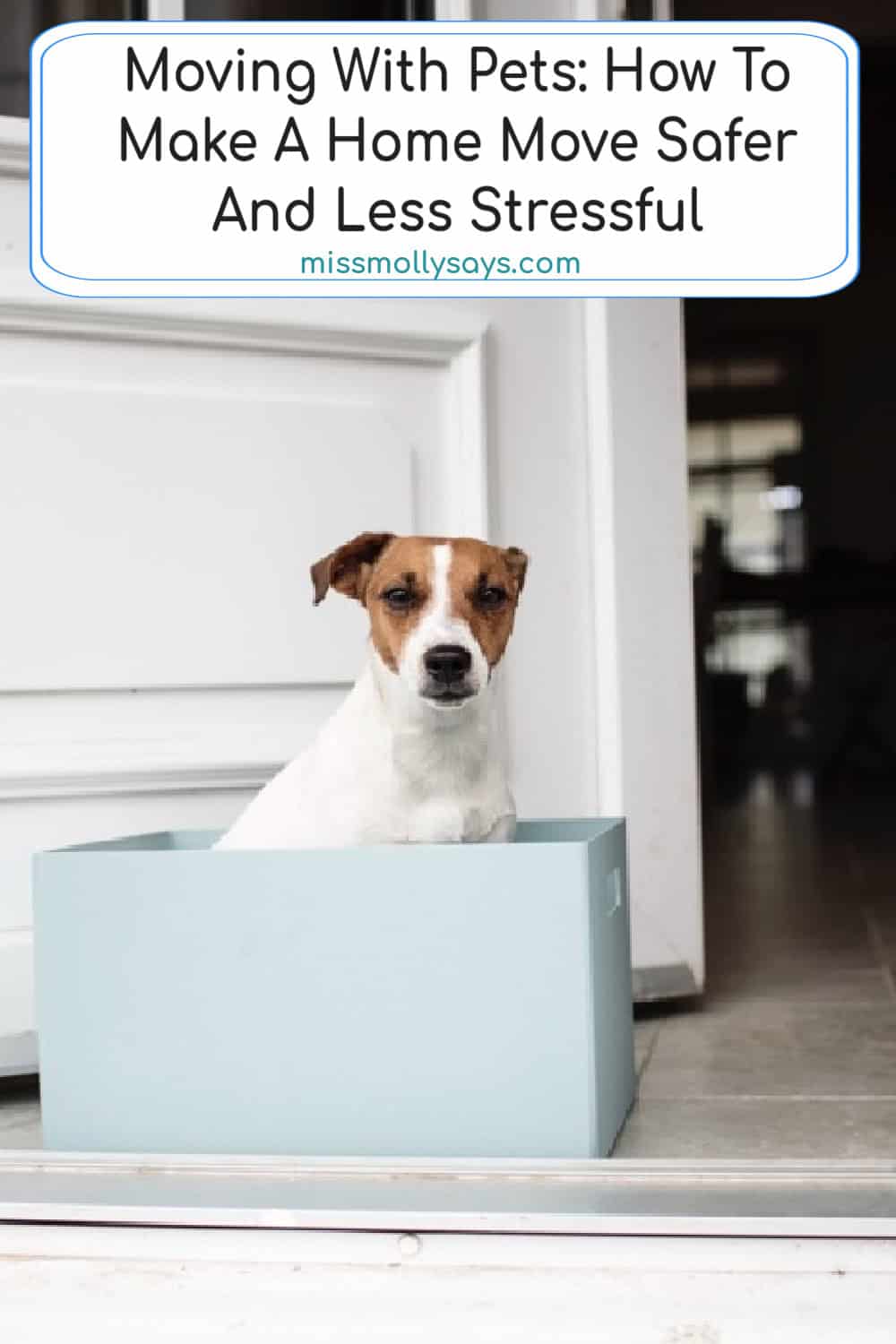
Prepare Your Pet Before Moving Day
Start preparing several weeks before the move when possible. Leave moving boxes around the home so pets can become familiar with them before packing intensifies. Maintaining normal feeding, walking, play, and bedtime schedules can also provide stability while the household changes.
Check identification tags and microchip registration information before moving. Update phone numbers and the new address as appropriate. Keep recent photographs of your pet available in case it becomes lost during the transition.
If the move involves a long drive, practice shorter car trips beforehand, particularly with pets that rarely travel. Cats and small animals should become comfortable with their carriers before moving day rather than encountering them for the first time immediately before departure.
Create a Safe Space During Packing
Packing introduces several potential hazards. Tape, string, packing materials, cleaning supplies, tools, and open doors can create risks for curious pets. Designate one quiet room as a pet-safe area while the rest of the house is being packed. Keep familiar bedding, toys, food, water, and litter boxes there. A closed door also prevents pets from slipping outside as people repeatedly enter and leave the property. Make sure everyone helping with the move knows which room contains the pet. A visible note on the door can prevent someone from opening it accidentally.
Have a Plan for Moving Day
Moving day is often the most disruptive part of the process. Noise, unfamiliar activity, and frequent door openings can make even calm pets anxious. If possible, keep pets with a trusted family member, friend, boarding facility, or daycare while belongings are loaded. If they remain at home, place them in a secure room away from the activity.
Let the movers know that animals are present and identify any areas that should remain closed. Never allow pets to roam freely around loading areas, driveways, or moving vehicles. Keep food, medication, water, leashes, waste bags, litter, veterinary records, and comfort items with you rather than packing them into the moving truck.
Make Transportation Safe
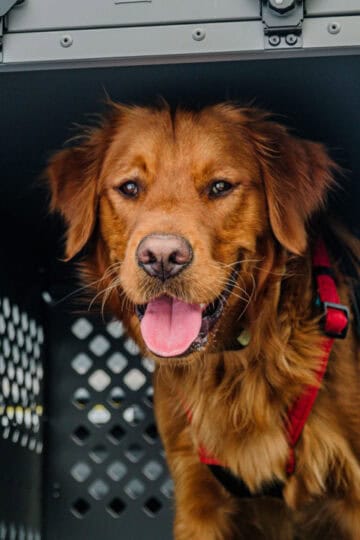
Pets should travel securely inside the passenger vehicle. Cats and smaller animals generally need properly secured carriers, while dogs may benefit from appropriate vehicle restraints or secured crates.
Schedule regular breaks during long drives for dogs to drink water, stretch, and use the bathroom. Always use a leash before opening the vehicle door in an unfamiliar location. Never leave an animal unattended in a parked vehicle during hot or cold weather. Temperatures inside cars can become unsafe quickly.
Introduce the New Home Gradually
A new house contains unfamiliar sounds, smells, rooms, and outdoor surroundings. Giving pets immediate access to the entire property may be overwhelming.
Start with one quiet room containing familiar bedding, toys, food, and water. Cats should also have easy access to a litter box. Allow the pet to explore additional areas gradually as it becomes comfortable.
Before allowing outdoor access, inspect fences, gates, balconies, screens, and yards for escape routes or hazards. Dogs should initially explore outside on a leash, even if the yard is fenced.
Watch for Stress After the Move
Some pets adjust within days, while others need several weeks. Temporary hiding, reduced appetite, increased vocalization, clinginess, or changes in sleep can occur after relocation.
Maintain familiar routines and provide quiet places where pets can retreat. Contact a veterinarian if behavioral changes are severe, persist, or occur alongside vomiting, diarrhea, prolonged appetite loss, breathing problems, or other concerning physical symptoms.
Moving safely with pets requires preparation before the first box is packed and continued attention after arrival. Secure spaces, familiar routines, careful transportation, and gradual exploration can reduce common moving risks. Look over the infographic below for more information.




Leave a Reply