
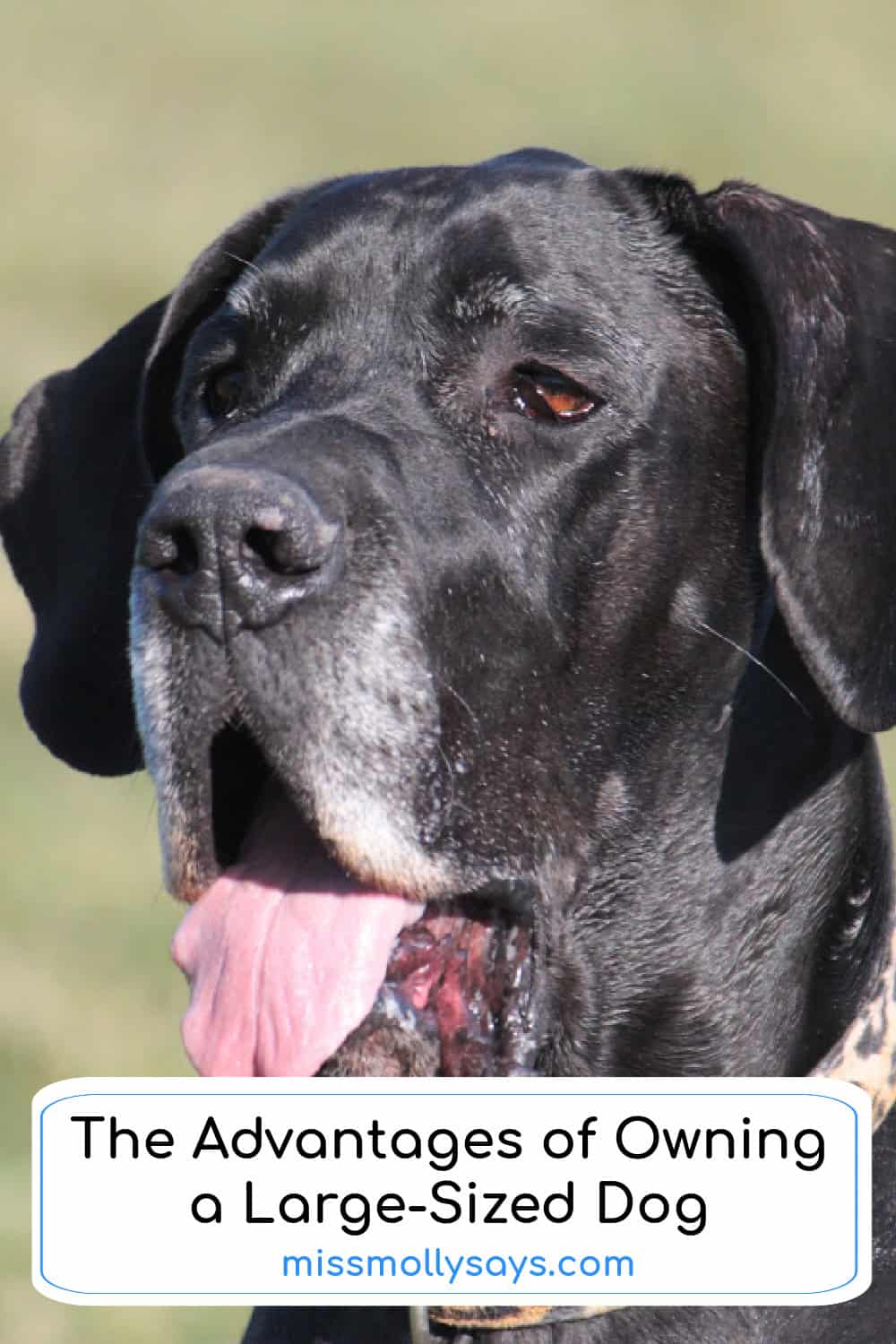
If you are leaning toward getting a Great Dane but your husband is in favor of getting a Miniature Daschund instead of owning a large-sized dog, you may need some reasons for why a larger dog is a better choice.
Although many people believe that a larger dog correlates with being higher maintenance, this is not necessarily true.
Both large and small breeds of dogs can require the same amount of attention.
Training will usually determine temperament as much as the breed. However, there are clear advantages to owning a large dog.
Safety
Police officers do not patrol airports and the streets with a Pomeranian in tow.
Instead, they use larger dogs in part because they have a great sense of smell, but also because they are stronger and more intimidating than smaller dogs.
Even though some large-sized dogs are incredibly friendly and would do no more than slobber on a burglar, many families feel safer with a large dog as a deterrent.
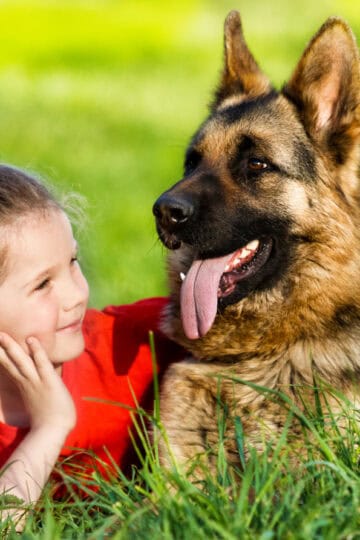
If safety is a factor, consider getting a Doberman, German Shepherd, Rhodesian Ridgeback, or a Staffordshire Terrier.
Many of these dogs show fierce loyalty, but can be aggressive toward people they perceive are trying to harm you.
Less Fragile than Small Dogs
Jumping off the couch can cause a back injury for a miniature Daschund, whereas a Great Dane can sit on the couch with most paws resting on the ground.
If your family is highly active and you want a dog to go on camping trips with you, for example, a large dog may be preferable to a toy breed, which may have more difficulty keeping up in the outdoors.
Easier to Potty Train
Some large dogs, like the Great Dane, might not be as astute as a Yorkie, but detecting a Yorkie's accidents on the carpet is much more difficult than spotting a Dane's mess.
Many large dogs are very sharp and can be potty-trained quickly.
In my personal experience, large-sized dogs are much easier to potty train.
Veterinary specialist Justine A. Lee's list of the five brightest dogs in her book, "It's a Dog's Life," lists many large-sized dogs.
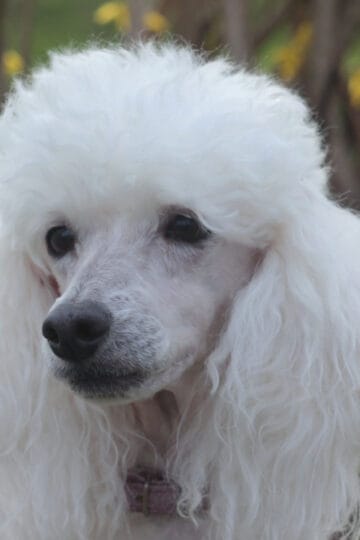
They include the Border collie, Poodle, German Shepherd, and the Golden Retriever.
Better with Children
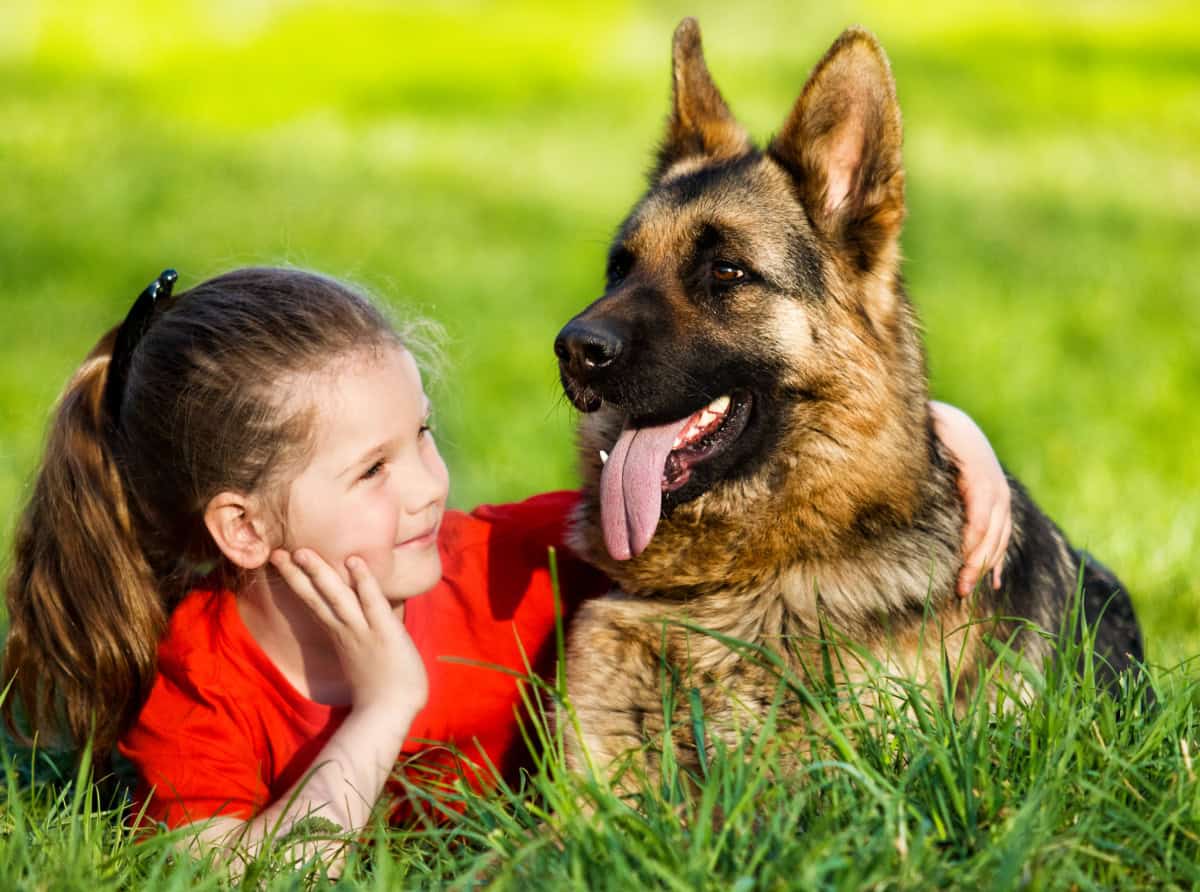
Dan Rice, author of the book "Small Dog Breeds" explains that young children should have a larger dog if they are unfamiliar with animals.
Young children can play roughly with a large-sized dog, whereas pulling or pushing a small dog could result in a small dog having a serious injury or a broken bone.
Additionally, large-sized dogs are often more tolerant of children.
Rice states that smaller dogs are more defensive because of their small size and are more prone to being snappy and sensitive to a child's quick motions and noises.
Large dogs, on the other hand, are usually not intimidated by children and are not easily provoked.
The large-sized dogs that interact best with children include Golden Retrievers, Labrador Retrievers, Whippets, and Australian Shepherds.

Austin H. says
Big dogs can be great company to have around the house. Plenty of loving.
ScottyDee says
large dogs rock!
ScottyDee says
Prefer a larger dog over a smaller.